
When we read about Putin’s onslaught on Ukraine’s energy infrastructure designed, apparently, to freeze the Ukrainians into submission in the context of Trump-sponsored peace talks, we can only imagine what it is like to live in a world of blackouts amid ambient temperatures of -15 or -20 degrees centigrade. Interestingly both Sinn Fein and our homegrown band of Trump followers have been busy condemning Ireland’s promise of €25 million to assist the Ukrainians in their struggle for energy survival.
But a much wider debate is needed internally here in Ireland about energy policy. In November last, the Irish Academy of Engineering, a well respected and expert technical observation group, published a hugely important document, Rebalancing Ireland’s Energy Policy.
Their report should be essential reading for every Irish elected politician, for every Irish governmental department and agency, and for every Irish news editor and environmental correspondent or commentator. The report demonstrates the extreme fragility of Ireland’s energy supplies and markets. It calls into question existing government policy about the capacity of conventional renewable energy programmes to supply even the minimum of Ireland’s projected energy needs over the coming decades.
Far from engaging in ideological squabbles about Ireland’s need for new strategic LNG storage facilities, the Academy demonstrates that Ireland will need increased LNG capacity for electricity generation and direct consumption until 2050 at least. The time for green opposition to the building of such infrastructure is well past.
The Academy underlines the absence of urgency in energy policy delivery.
It’s one thing for green activists to make visionary speeches and predictions about what might happen. It is another thing entirely when our policy makers utterly fail to translate policy into reality. While we have expertly constructed a defensive minefield which serves to prohibit or delay major infrastructural development for offshore renewable energy no progress has been made in delivering onshore support infrastructure.
In April 2021 the then government set a policy target to deliver 5000 MW of offshore windpower by 2030 with a further 2000 MW to be under development to provide power for the production of green hydrogen. The Maritime Area Regulatory Authority (MARA) commenced an auction procedure to facilitate such offshore development.
Six projects submitted planning applications to An Bord Pleanála (as it then was) in the following two years. One of the six projects has been abandoned and four of the projects have been the subject of further information requests to be complied with in 2026.
Heady rhetoric about Ireland becoming the Saudi Arabia of offshore wind energy production has simply stalled. Although the Government published a policy document, Harnessing Our Oceans Wealth, in 2012, it took until 2021 for the Marine Area Planning Act to be passed by the Oireachtas and a further two years for the establishment of the national licensing agency, MARA, in July 2023.
The crazy, dysfunctional policy approach required not merely a licence from MARA but a planning permission from An Comisiún Pleanala for any offshore wind energy project to commence. The planning board had to recruit separate expertise to discharge this function.
This is the same body which considers all major rail, road, sewage, water, energy network projects as well as appeals from decisions of local authorities on all planning matters from the height of your neighbour’s rear extension to your application to have a bike shelter in your front garden.
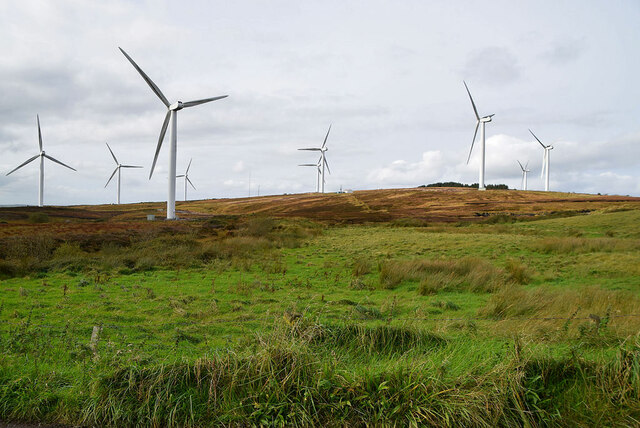
There has been almost complete failure to advance construction of port facilities to support offshore energy projects. With the exception of a private sector project to redevelop Verolme Dockyard in Cork, the Academy notes that onshore port infrastructure to support offshore wind development is completely inadequate to sustain achievement of government policy. In relation to on-land wind energy guidelines published back in 2006, a review commenced in 2013 which is still ongoing.
Ireland has become wrapped up in a legal and regulatory strait jacket from which only a political magician like Houdini can deliver us. We have laid down laws on carbon budgeting. We have introduced planning regulations to make all future housing as carbon neutral as possible. We have legal impediments to the delivery of an adequate housing supply. We have government commitment to ever increasing energy demands from an ever-expanding network of data centres. We have established targets nationally, and accepted targets internationally, which take little or no account of rapid population growth.
We have ridiculously outlawed the use of any nuclear power generation – even from emerging mini reactor technology. We have banned gas exploration or extraction in our territorial waters. We have failed completely to honestly accept that our dependence on gas energy will continue until 2050 at the earliest. We are ploughing ahead with policies to make us utterly dependent for economic survival on increased use of vulnerable electricity supplies.
Complete failure of successive governments to face up to reality in favour of conjuring up policies is coming home to roost. Prepare your window boxes for lettuce planting.
Photo credit: www.geograph.ie/photo/6630789